.png)

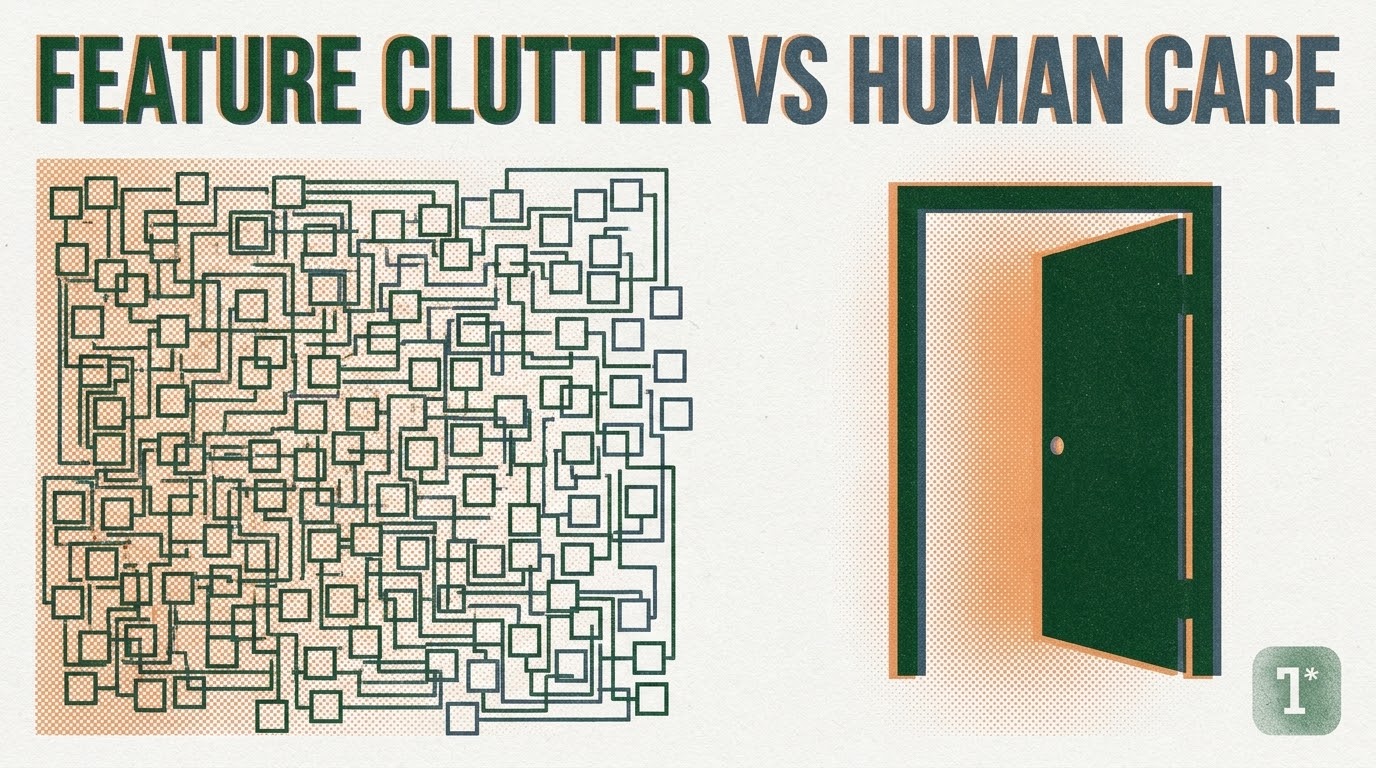
Outside the window of the IslamicFamily community office in Edmonton, the cold was biting. It was a -30°C January evening, the kind of night where missing an emergency housing placement is not an inconvenience: it is a crisis. Inside, Zainab, a frontline intake caseworker, sat across from a family of four who had just arrived in the city. Her computer screen was frozen. She was trying to log an urgent shelter request into a bloated CRM platform built by a software company in California.
The software forced her to navigate seven separate dropdown menus, verify non-essential demographic fields, and fill out corporate tracking tags just to save a record. Zainab looked at the family shivering in their coats, closed her laptop, and grabbed a piece of paper.
In that quiet moment of defiance, the seed for Transform was planted.
Zainab was caught between a vulnerable family and a system designed by people who had never set foot in a social services agency. Research from The Dais at Toronto Metropolitan University shows that less than 1% of non-profit workers hold specialized tech roles. Because agencies lack internal developers, the sector is forced to buy software built by commercial vendors with zero direct experience in social work.
The result is a deep disconnect between how tech is built and how care is delivered.
When people read "Made with love in Edmonton" in our software footer, it is not a cute marketing tagline. It is a statement of origin and purpose.
Edmonton is a community defined by resilience, harsh winters, and deep-rooted mutual aid. When you live and work here, you learn to build things that actually work when conditions are tough. You do not build technology for venture capital valuation spikes or high-pressure enterprise sales demos. You build technology because your neighbors need shelter, food, and human care today.
When we decided to replace spreadsheets in case management for a nonprofit inside our own agency, we refused to copy the Silicon Valley playbook.
We built our platform around the daily realities of Canadian social care:
When organizations search for an ETO software alternative or an Apricot software alternative, they are usually trying to escape software that feels like an administrative trap.
Most case management platforms were originally commercial sales databases retrofitted with social work terminology. They treat client relationships like transactional leads.
Transform was built from the inside out. We tested every feature in our own community before offering it to the broader sector. We built the best case management software for social workers because we are social workers, community organizers, and frontline staff ourselves.
Place matters. Lived experience matters. When software is forged in the daily work of community care, it serves human dignity first.
Curious to learn more about our story or see how place-based design changes non-profit technology?
Schedule your free demo today and experience the Transform difference.