.png)
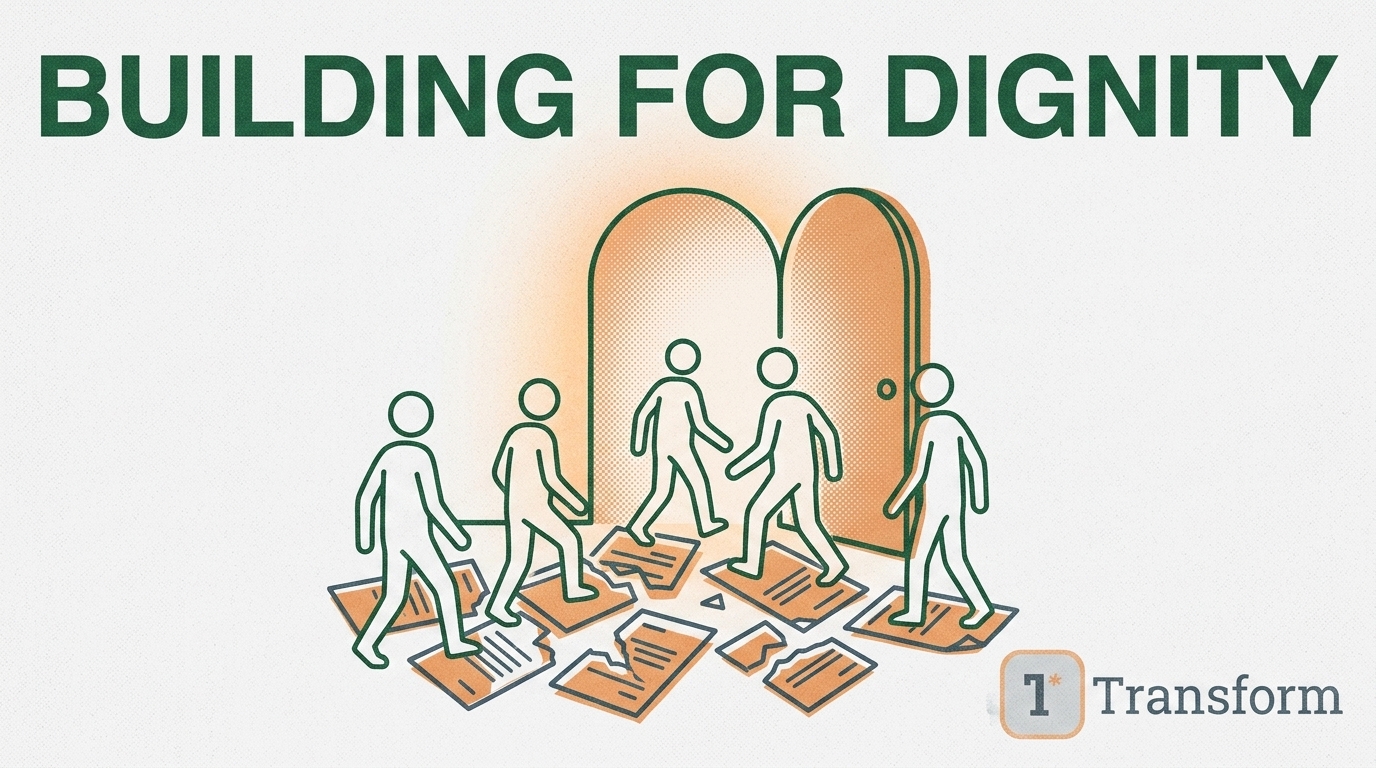
Tariq sat at a cluttered wooden table in the IslamicFamily community office, staring at a 14-page intake packet for our Zakat Fund, an emergency financial relief program for families in crisis. Across from him sat a mother who had recently arrived in Canada. She had three tired children quietly coloring on the floor beside her. She was holding a pen, her hand hovering over a page of dense, invasive financial and personal questions.
Tariq watched her hesitate, scan the door, and slowly put the pen down.
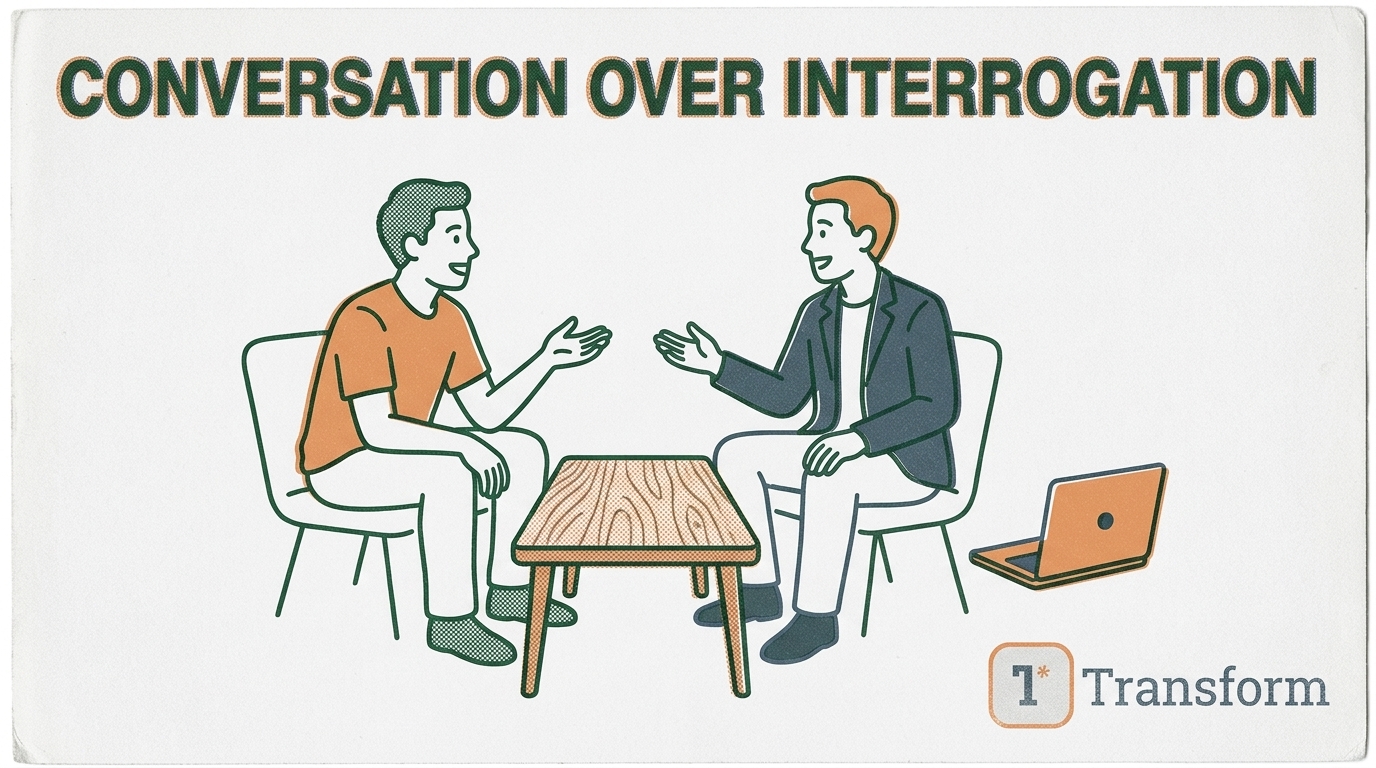
In that moment, our leadership team realized a painful truth: our intake paperwork contradicted our core values. We were dedicated to honoring human dignity (Karamah), yet our intake process felt like an interrogation. Our paper forms and rigid spreadsheets were creating unnecessary anxiety for vulnerable neighbors seeking help.
We were far from the only agency facing this friction. According to research from the Centre for Open Data Enterprise and social policy studies on administrative burden, up to 45% of eligible individuals drop out of safety net assistance programs due to complex, invasive, and repetitive intake procedures. When data collection feels punitive, the people who need support most simply walk away.
We knew we had to fix the client retraumatization intake process. Because we could not find software on the market that balanced modern automation with deep human empathy, we decided to build our own. That decision was the birth of Transform.
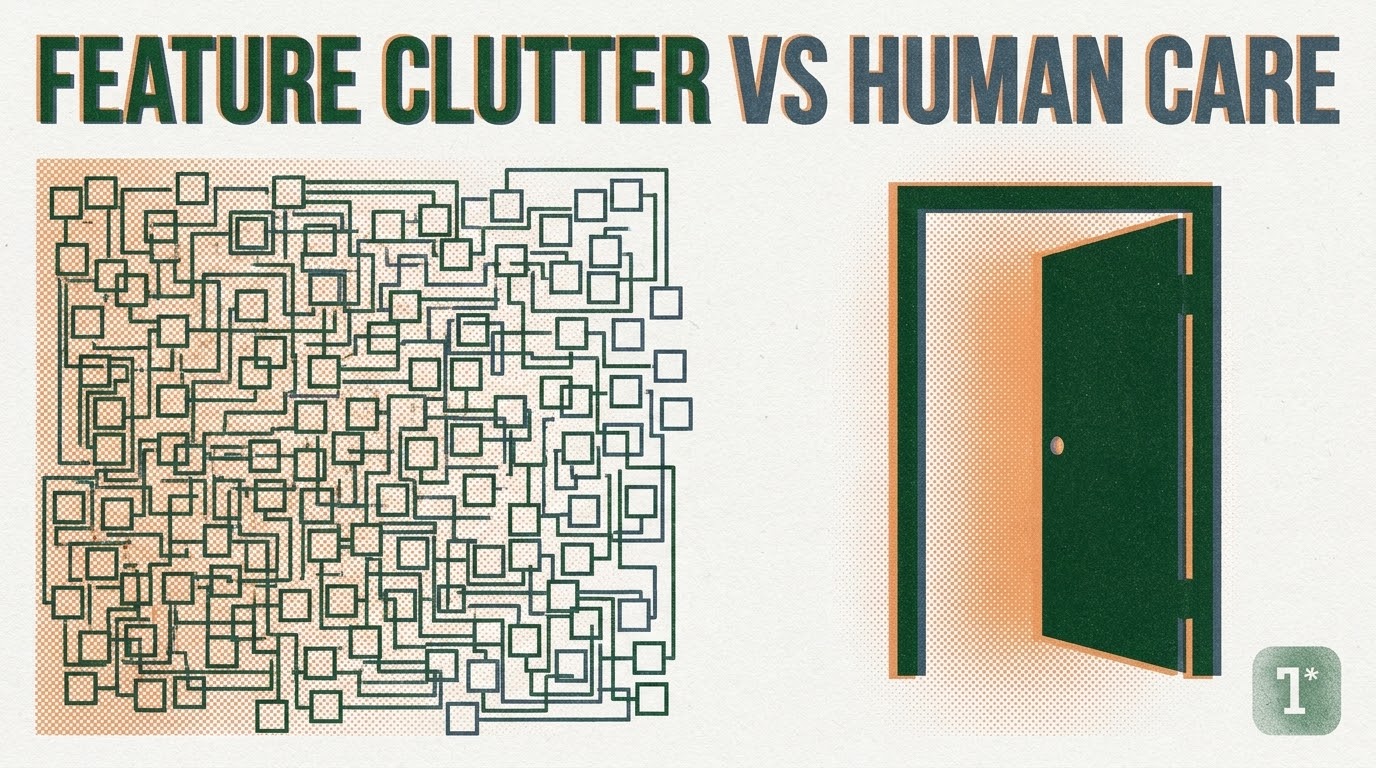
Our first attempt was not a glowing success. Like many tech projects in the non-profit sector, our initial prototype tried to track too much at once.
We built forms with dozens of dropdown menus and detailed categorization fields. We thought more data would automatically mean better program decisions. Instead, we quickly realized we had accidentally created more administrative work for our staff and more burden for our clients.
Caseworkers were spending half their appointments looking at computer screens instead of looking clients in the eye. We were adding to the mental toll of frontline work, making it harder to reduce frontline worker burnout.
We paused, wiped the slate clean, and established a fundamental rule: technology must serve the human relationship, never dominate it.
To fix our social service data collection problems, we redesigned our technology around three key principles:
What began as an internal project inside IslamicFamily grew into Transform. We knew that non-profits across Canada were tired of choosing between rigid legacy systems and unsafe spreadsheets.
Whether an agency is searching for an ETO software alternative or an Apricot software alternative, they deserve tools built by people who have actually walked in their shoes.
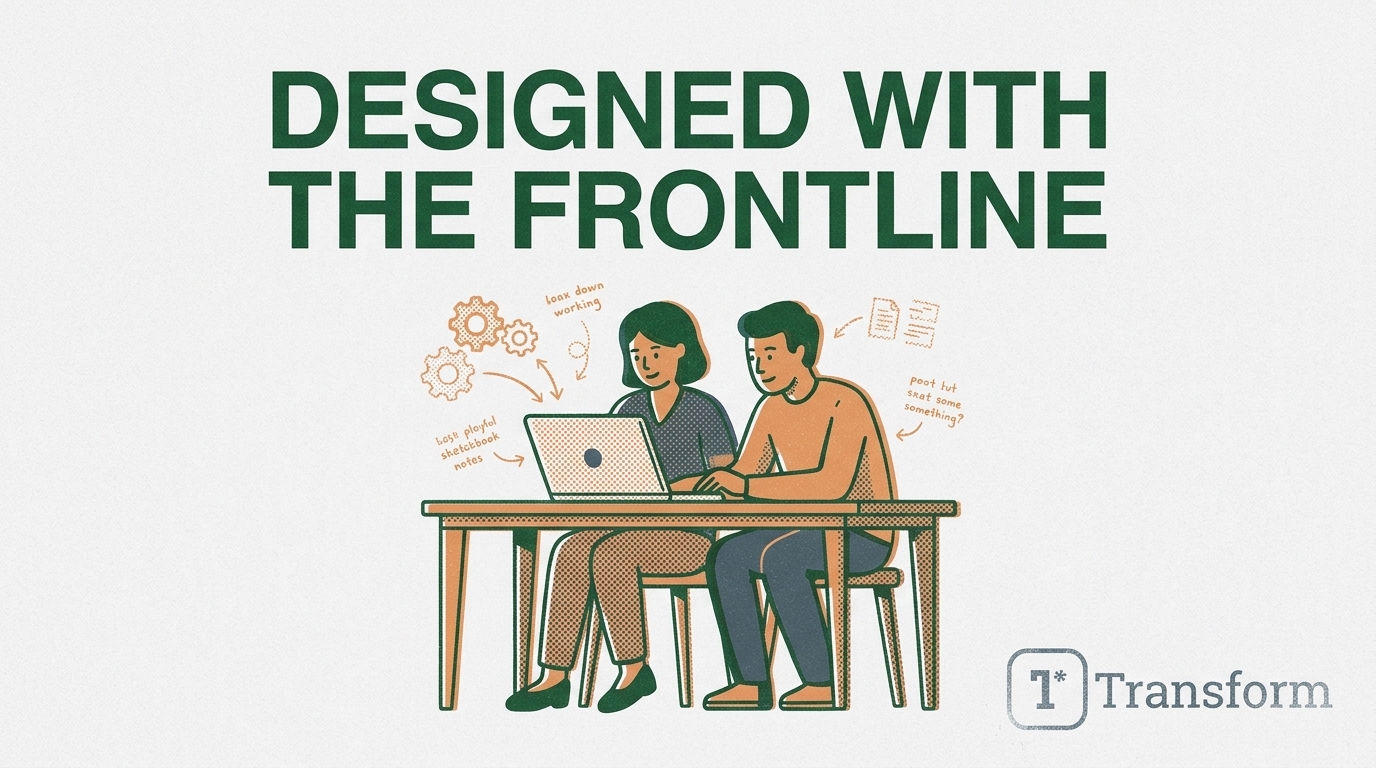
Every feature in Transform is rooted in our frontline experience. Our platform delivers nonprofit case management software Canada organizations can rely on for full PIPA and PIPEDA compliant case management, strict Canadian data residency, and trauma-informed workflows.
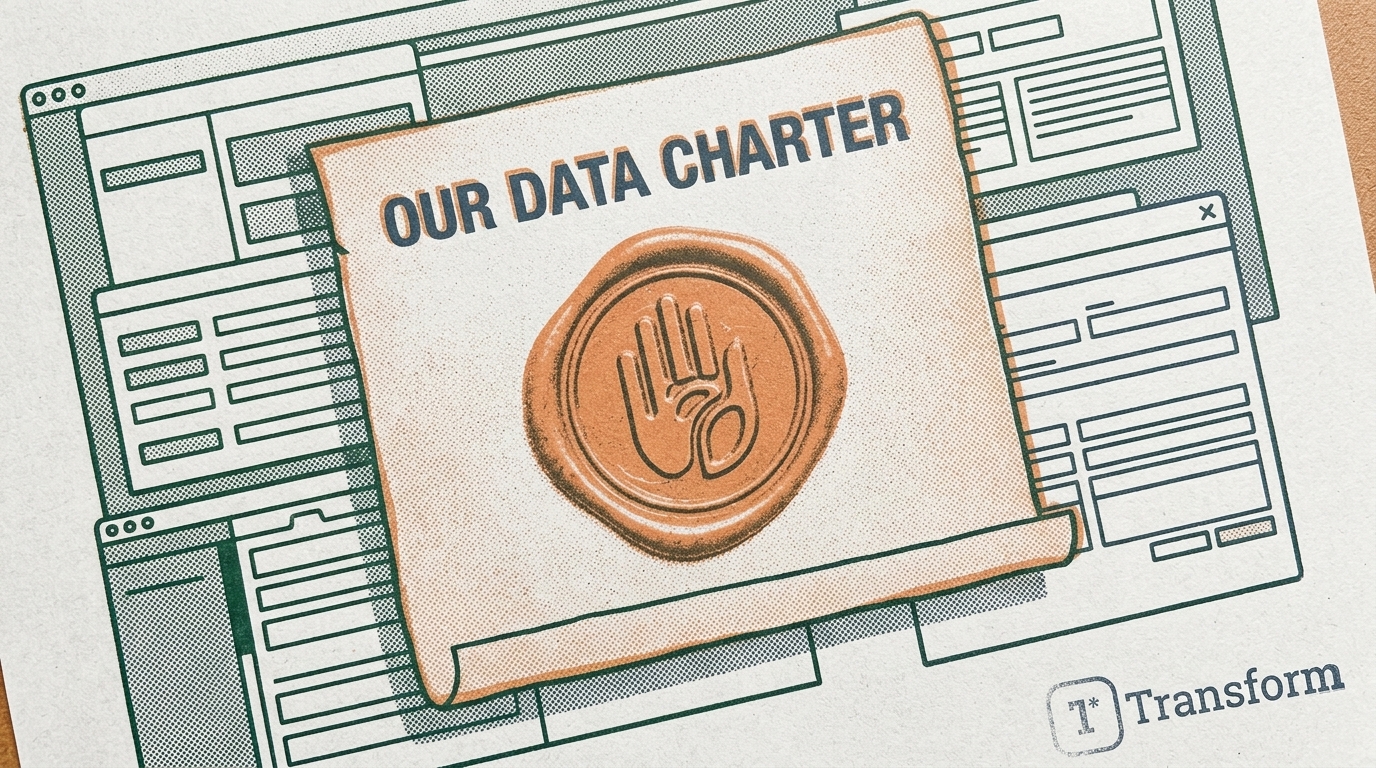
To anchor these principles for ourselves and our partners, we created the People-First Intake Charter. It is our public pledge to ensure technology always protects client dignity and empowers frontline workers.
Schedule your free demo today and experience the Transform difference.