.png)
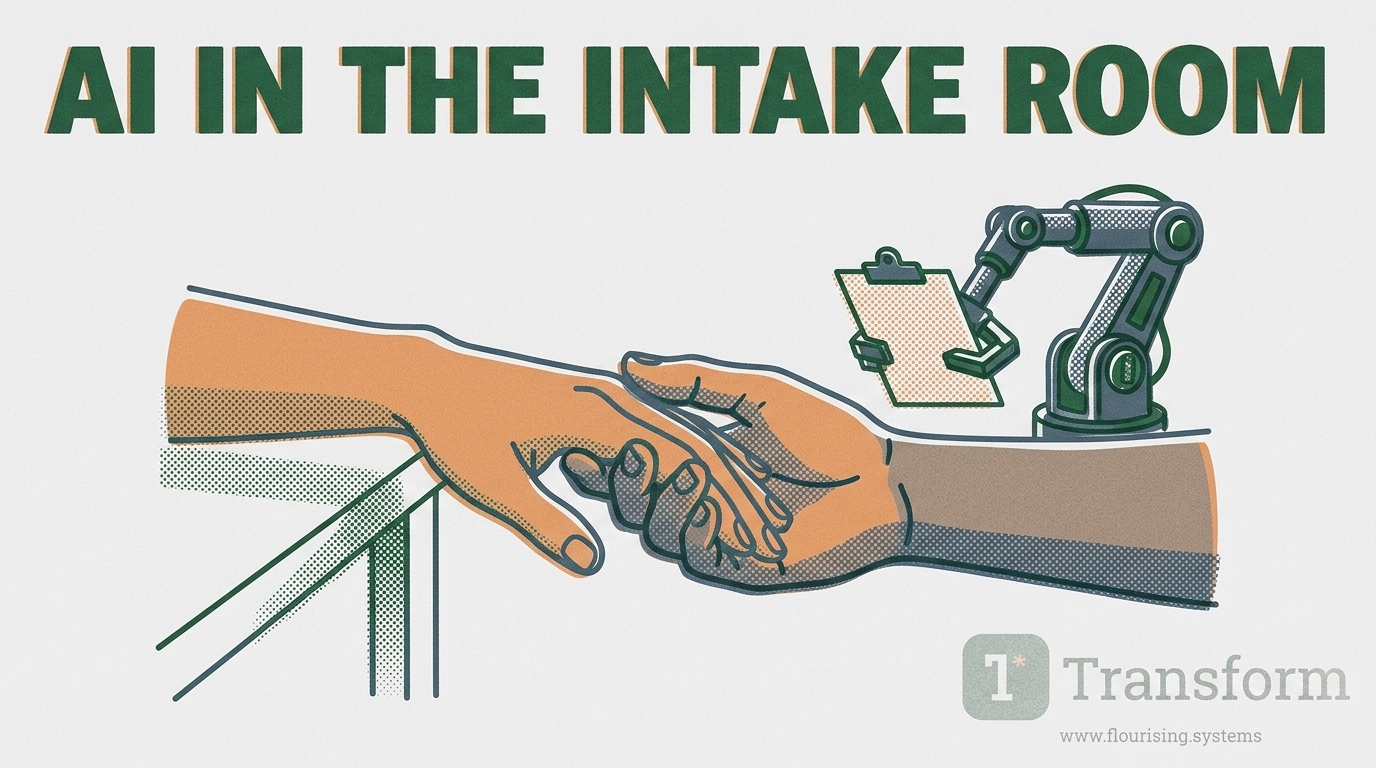
Maya, a lead intake specialist at a community mental health center, sits in the third row of a brightly lit conference hall. On stage, a tech vendor proudly demonstrates an automated AI intake bot designed to assess client trauma levels in real time. As the software assigns a numerical risk score to a simulated survivor of domestic violence, Maya feels a cold knot tighten in her stomach.
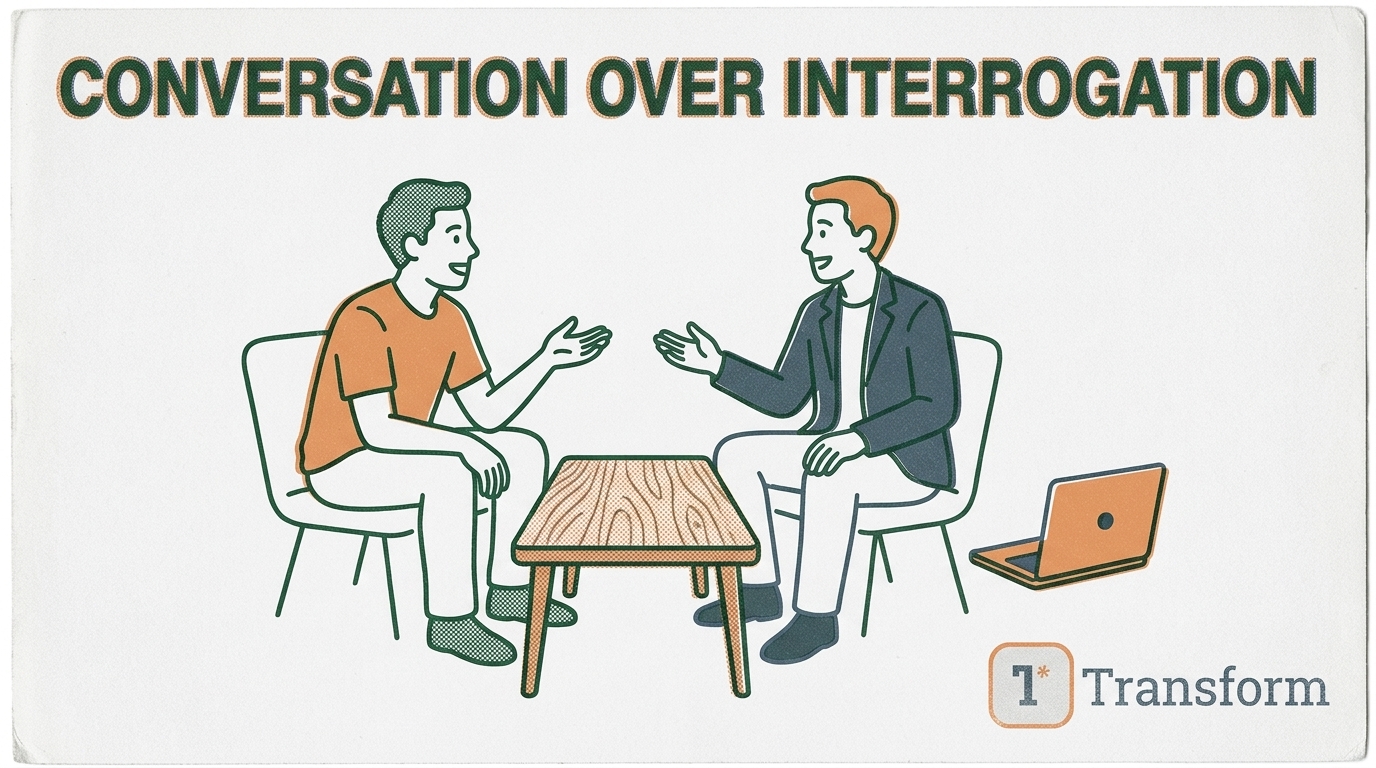
She thinks of the woman who walked into her clinic yesterday: hesitant, scanning the floor, terrified to speak. It took twenty minutes of gentle, human conversation before that client felt safe enough to share her name. Maya wonders how a computer algorithm could ever hold space for that kind of vulnerability without breaking client trust.
Maya is not against technology. She is simply protective of her community. Across the social sector, frontline practitioners share her healthy skepticism.
According to a national survey conducted by the Moritz Center for Societal Impact in collaboration with the National Association of Social Workers, 67% of social workers express deep concern about AI overtaking human judgment. They cite urgent risks surrounding client privacy, algorithmic bias, and the erosion of relational care.
The anxiety is completely justified. Silicon Valley often treats human services as just another workflow to optimize. But a human crisis is not a assembly line, and an intake room is not a call center.
There are sacred boundaries in social work that technology must never cross.
AI has no place making clinical assessments, triaging human suffering, or predicting human behavior. When an algorithm attempts to rate trauma or dictate care plans, it increases the client retraumatization intake process risk. Algorithms operate on historic data, which means they can inadvertently perpetuate systemic bias against marginalized groups.
Furthermore, replacing face-to-face intake with automated bots strips away the fundamental foundation of social work: human empathy. Trust is built through tone of voice, body language, and shared silence. Software cannot offer presence.
While AI should never touch clinical judgment, it can play a powerful role in protecting frontline workers from administrative exhaustion.
Social workers do not experience burnout because they spend too much time with clients. They experience burnout because they spend hours after client visits typing notes, copying records across spreadsheets, and filing funder updates.
When applied responsibly within case management software for nonprofits, AI can eliminate the paperwork tax:
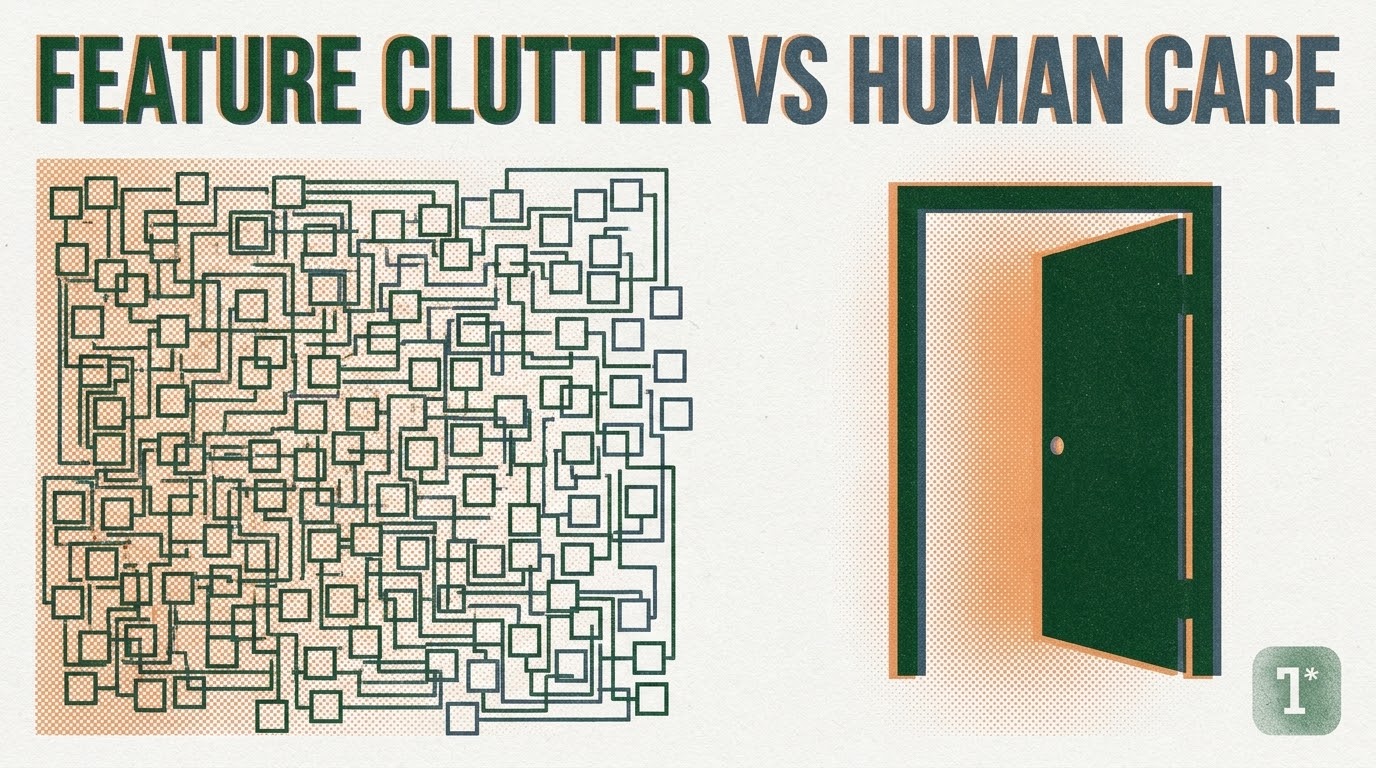
When agencies search for an ETO software alternative or an Apricot software alternative, they are often pushed toward complex platforms that either ignore AI safety or force unwanted automation onto clinicians.
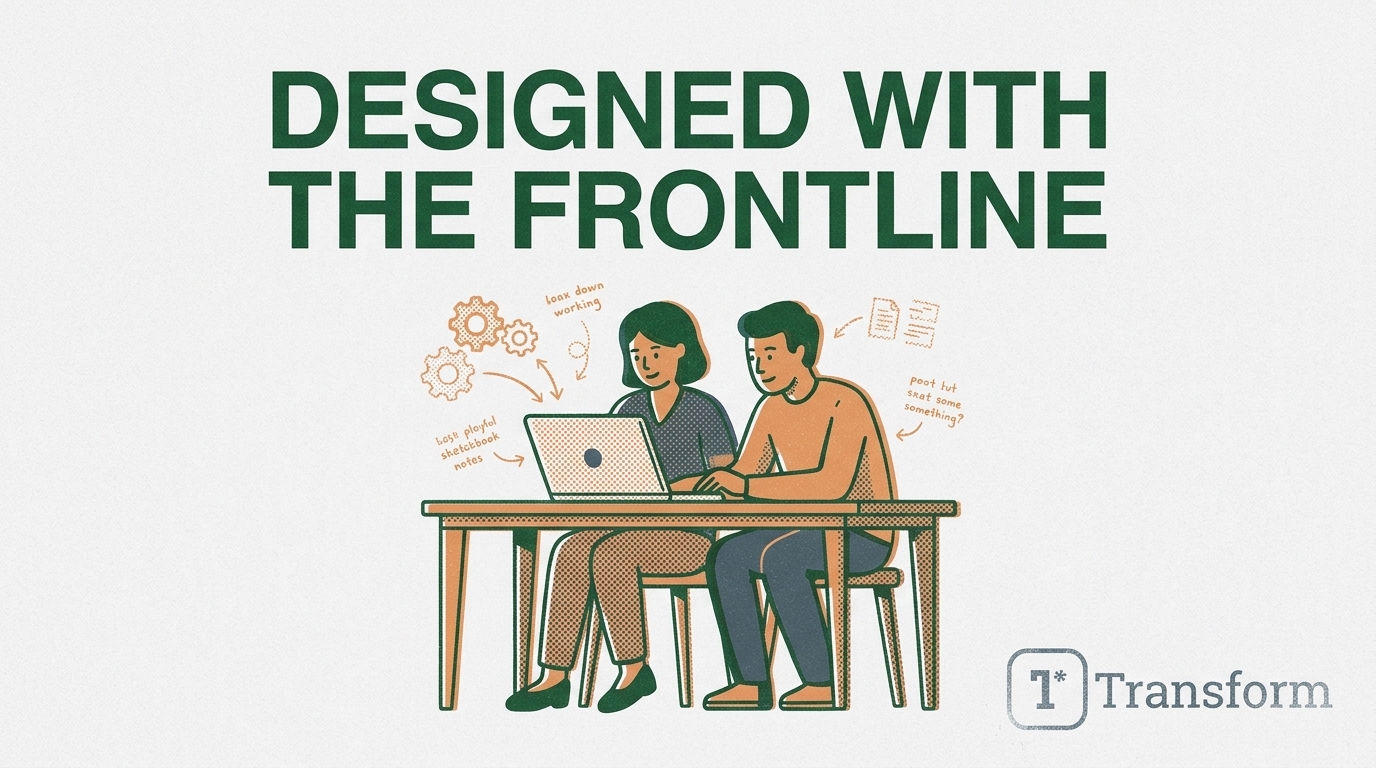
At Transform, we took a different path. Born as a frontline charity, we built our platform with strict ethical guardrails. Transform offers the best case management software for social workers who want technology that serves them without getting in the way of care.
Our AI analytics tier acts strictly as a assistant for administrative burden. It never interacts with clients, never makes diagnostic suggestions, and never makes decisions. Every record remains protected within PIPA PIPEDA compliant case management standards and Canadian data residency requirements.
Technology should handle the administrative weight so human beings can focus on human connection.
Curious to see how responsible, clinician-first AI works in practice? Explore our Responsible AI Framework or connect with our team to start a conversation.
Schedule your free demo today and experience the Transform difference.