.png)
.jpg)
Amina sits in a quiet counseling office, her hands tightly gripped around a paper coffee cup. It has taken forty minutes of circling the subject, but she finally finds the words. She discloses a history of domestic instability: a detail she has never shared with anyone. Her caseworker listens with deep, focused empathy. She records the details on a paper form. Amina leaves feeling "seen" for the first time in years.
Three weeks later, Amina returns to the same agency for a housing assessment. A different worker, kind but hurried, opens a fresh "standard intake" spreadsheet. "So, Amina, tell me, why are you seeking housing support today? Any history of instability we should know about?"
In that moment, the system has failed. Amina doesn’t just feel like a number: she feels like her trauma is a line item that was lost in transit. The fragile trust she built twenty-one days ago is erased.
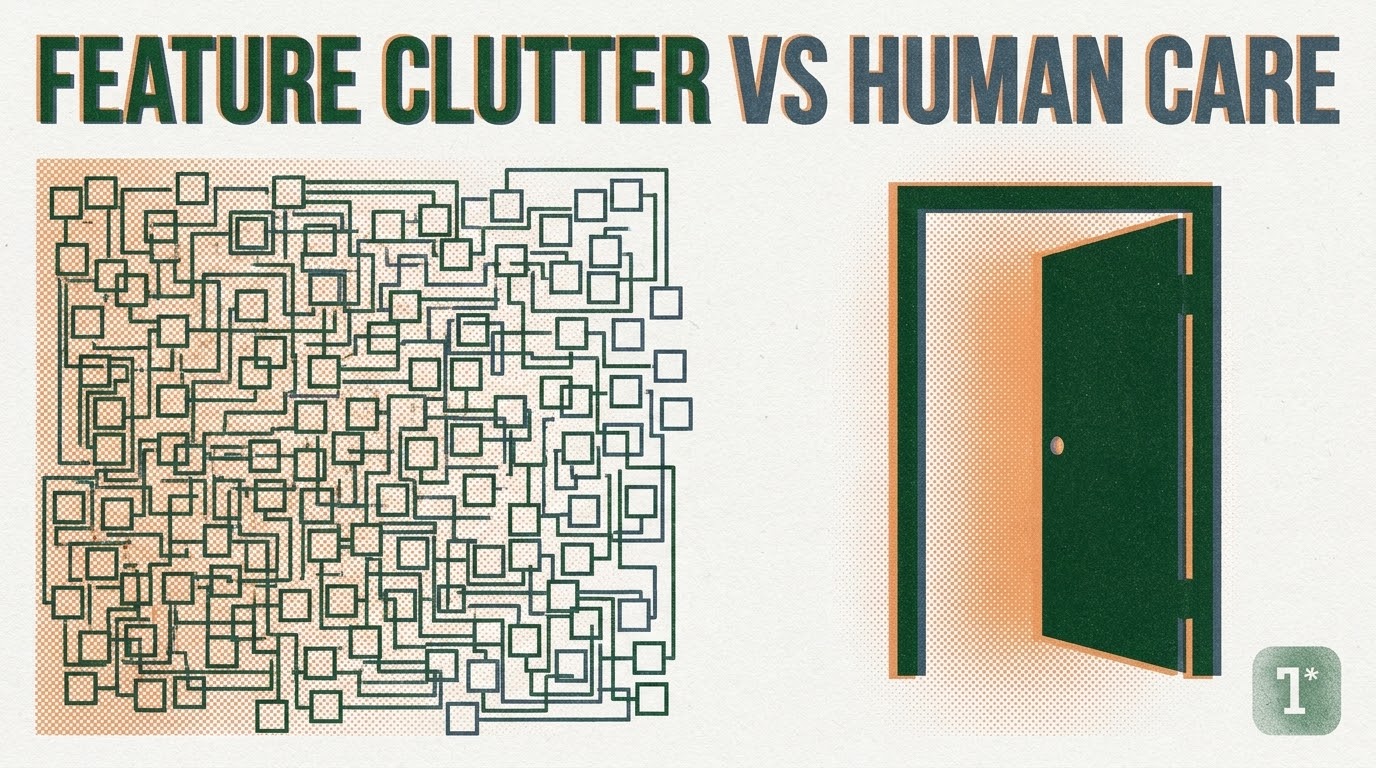
In the social service sector, we often talk about "efficiency" as a business goal. But for a client, inefficiency feels like a lack of listening. When spreadsheets and legacy systems don't talk to each other, the client is forced to be the bridge between departments. They become the "Data Detective" for their own tragedy.
This is more than an administrative headache. It is a systemic issue. Statistics show that 1 in 3 clients in multi-program agencies report having to repeat sensitive or painful information more than once to the same organization. When we ask a survivor to relive their worst moments simply because our software doesn't have a "Single Source of Truth," we are charging them a "Passion Tax" they didn't sign up for.
Many organizations are still using outdated tools that treat data as something to be "extracted" to satisfy a funder's grant requirement. At Transform, we believe in Data Dignity.
Data Dignity means technology should act as the "memory" of the organization. It ensures that the most vulnerable people in our community don't have to carry the burden of our administrative failures. If you are looking for an ETO software alternative or an Apricot software alternative, the search shouldn't just be about better buttons: it should be about better ethics.
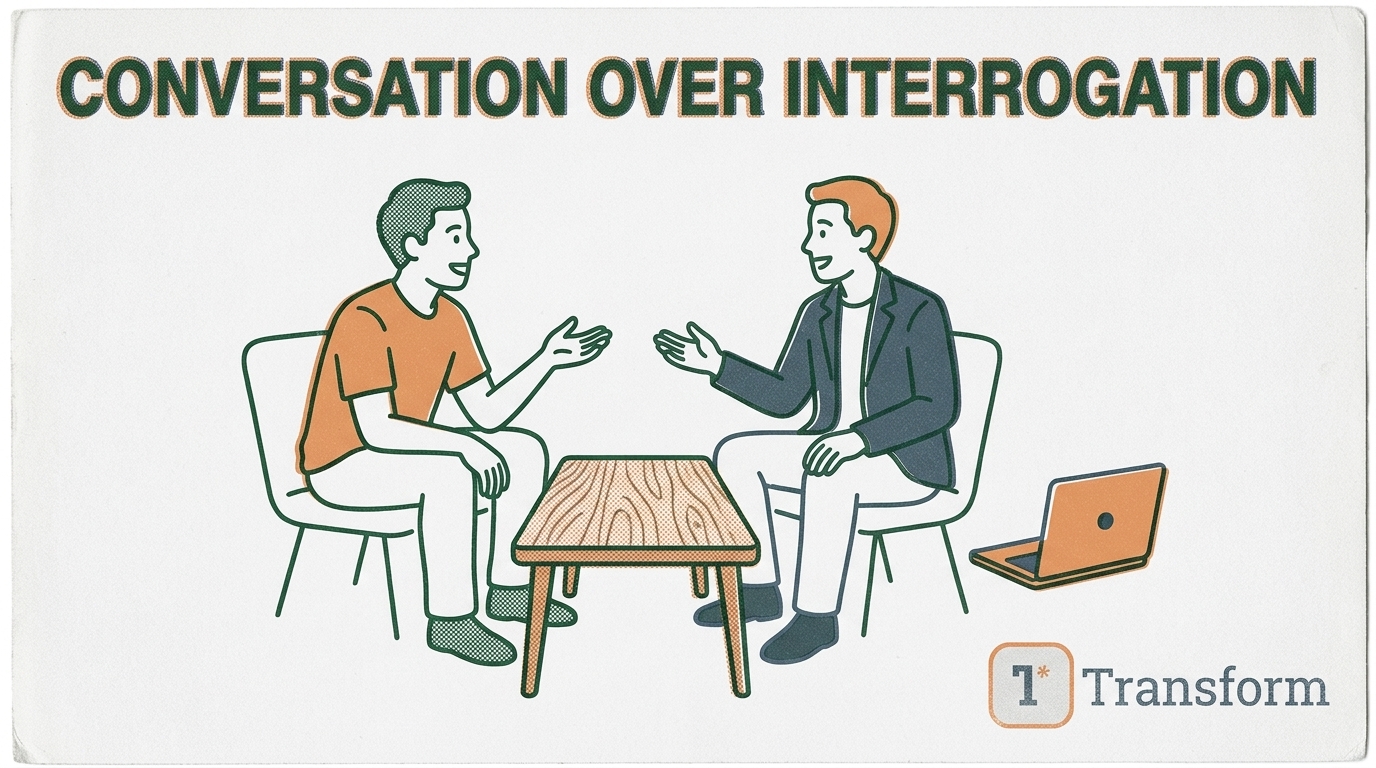
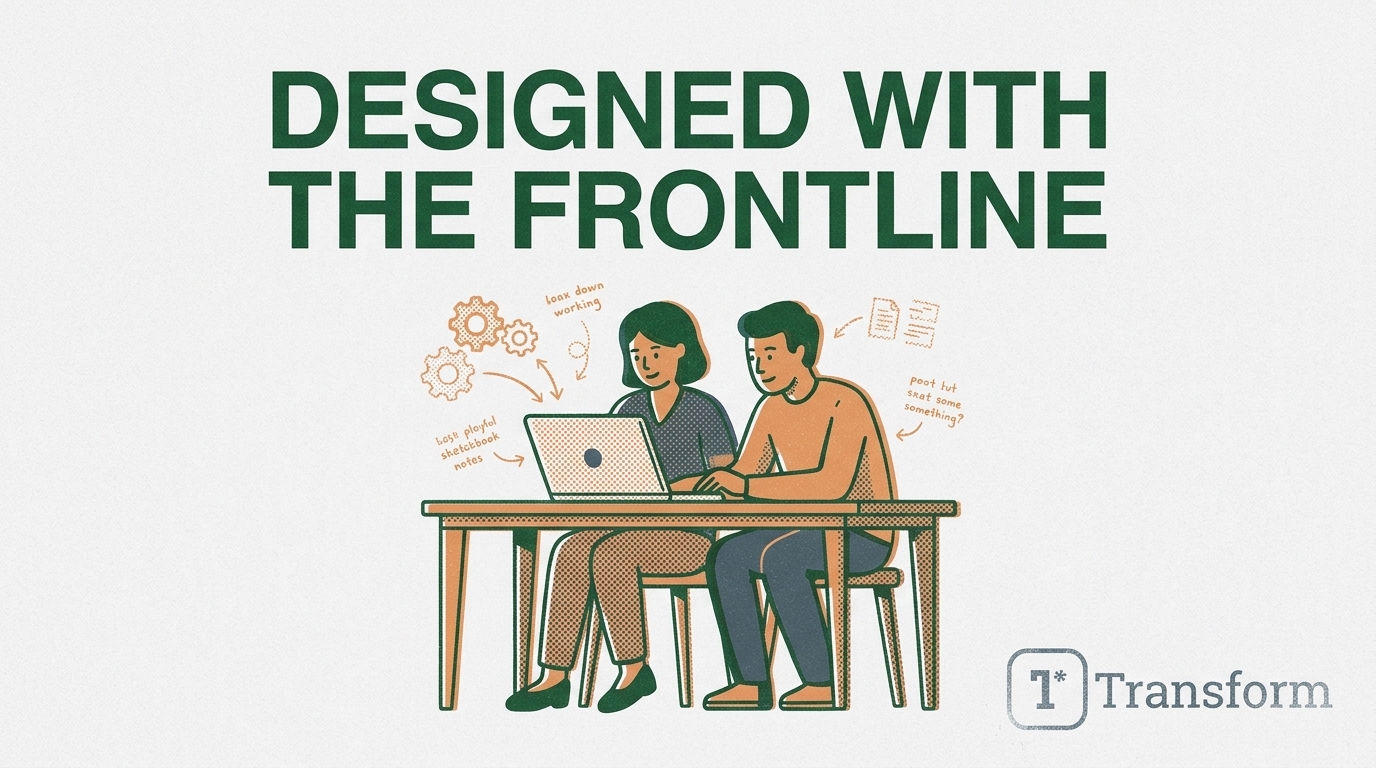
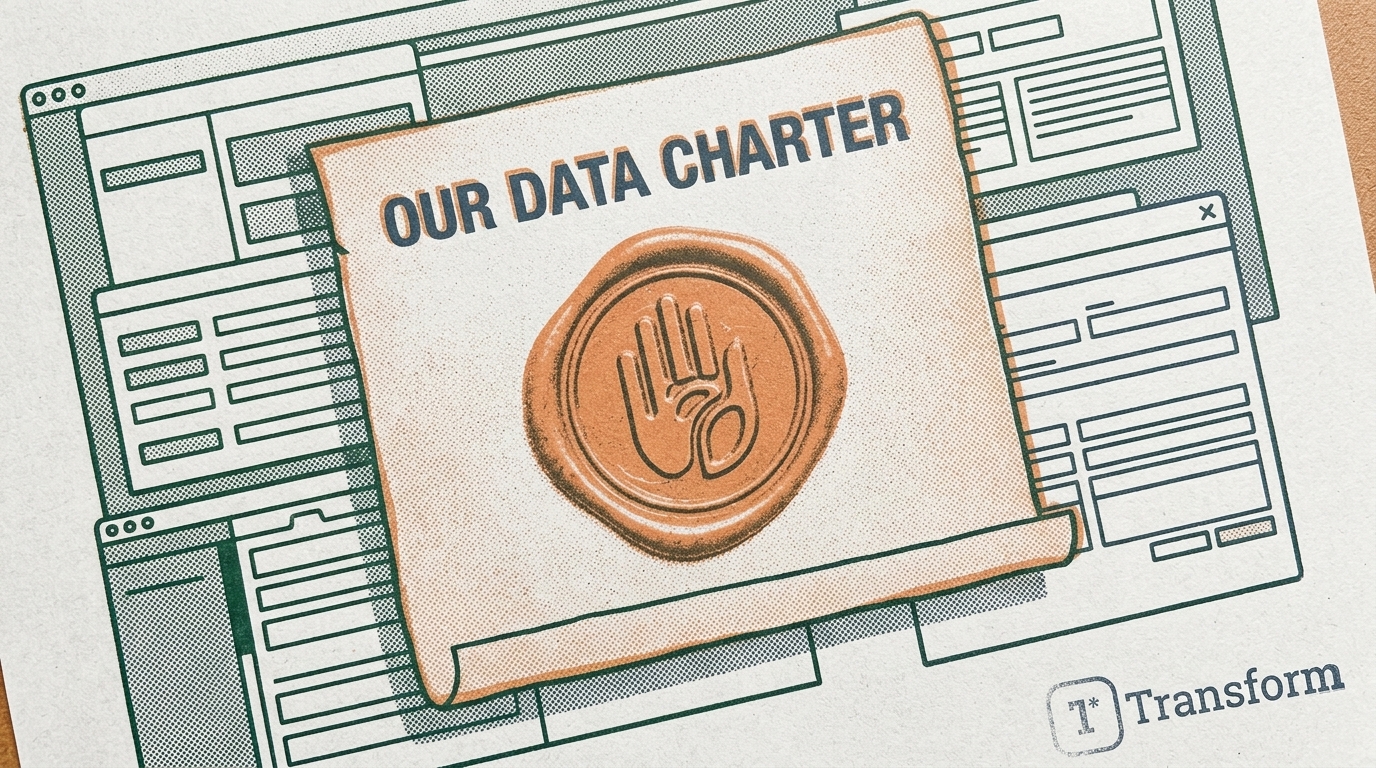
We didn't just build a SaaS company; we grew out of a charity that saw this burnout and retraumatization firsthand. That is why we advocate for the People-First Intake Charter. This charter is the gold standard for nonprofit case management software in Canada, centering on three pillars:
For an Executive Director, choosing a case management software for nonprofits is a leadership choice. It’s a commitment to the idea that information is the only thing a client should never have to give twice.
When we move away from fragmented spreadsheets and toward PIPA and PIPEDA compliant case management that actually respects the human behind the data, we stop asking our frontline workers to be data entry clerks and allow them to be healers again.
If your current system feels like it’s shouting over your clients' stories, it might be time for a change. We’d love to show you how a system built by the sector, for the sector, can help you guard those stories with the dignity they deserve.
The Turn: Does your current intake process serve your reporting or your people? Explore the People-First Intake Charter and see how we can help you implement these values in your agency.
Schedule your free demo today and experience the Transform difference.