.png)
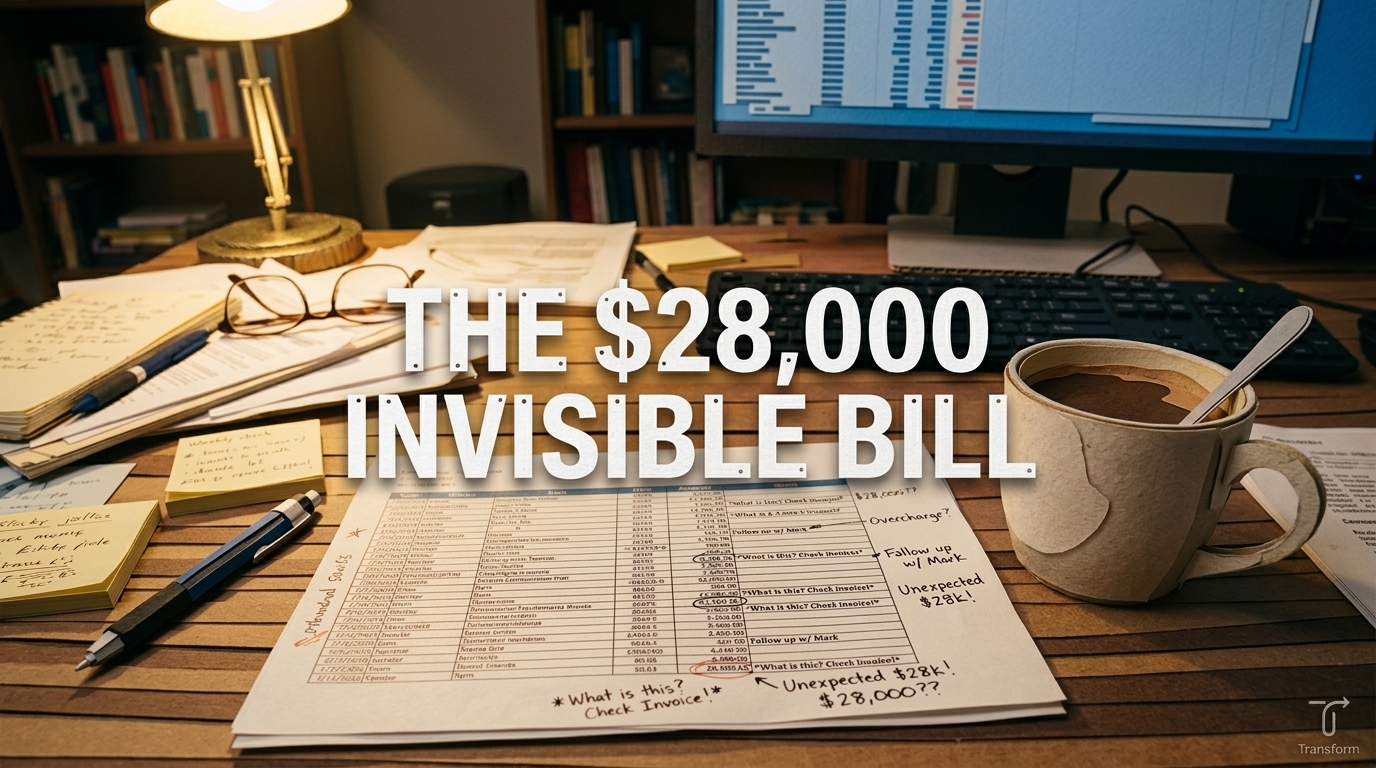
Sarah sits at her kitchen table at 11:30 PM. She is the Executive Director of a mid-sized housing agency in Ontario, and her board meeting is tomorrow morning. In front of her are three open Excel files, a stack of paper intake forms, and a growing sense of dread. She just realized that across her team of six caseworkers, she cannot account for nearly 200 hours of collective time this month.
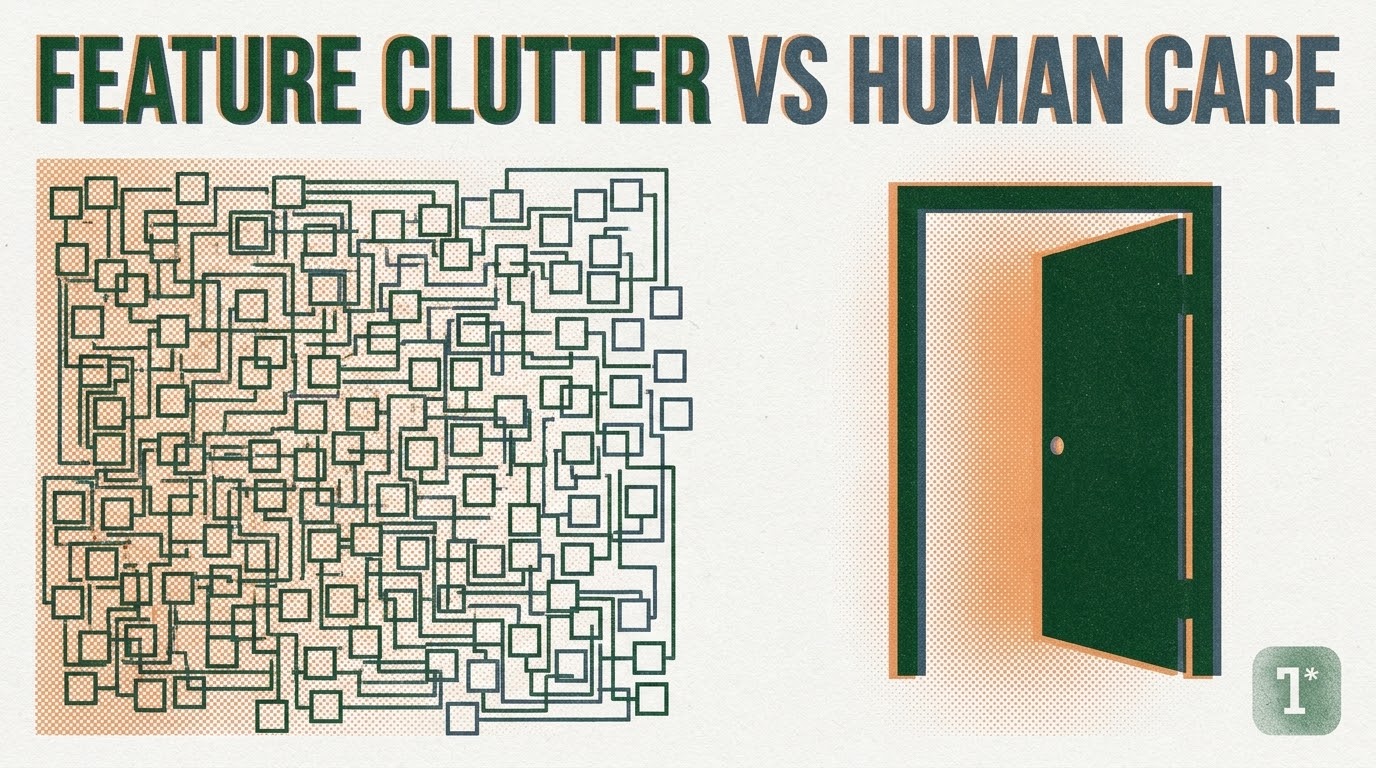
The hours aren't missing because the team is idle. They are missing because they are buried in the "invisible bill"—the crushing weight of manual data re-entry, broken spreadsheet formulas, and the hunt for client files hidden in email threads. Sarah thought using "free" tools was being a good steward of donor dollars. In reality, she is paying for those tools with her staff’s sanity.
Many agencies find themselves stuck with legacy systems or manual workarounds because the budget feels too tight for a dedicated solution. They stick with what they know, even when it stops working. This creates a "Shadow Work Week" where highly trained social workers spend half their time acting as data entry clerks.
When you use spreadsheets to manage complex human stories, you aren't just losing time; you are risking Data Dignity. In Canada, privacy standards like PIPA and PHIPA aren't just suggestions. They are a promise to protect vulnerable people. A spreadsheet password is a flimsy shield for a survivor of domestic violence or a family seeking mental health support.
It is easy to view a $200 monthly software subscription as an expense to be cut. It is much harder to see the $28,000 you are already losing.
The Stat: According to research on nonprofit productivity, the average caseworker spends up to 40% of their week on administrative tasks that could be automated. When you calculate the average salary and benefits for a social worker in Canada, an agency is effectively paying an "invisible surcharge" of approximately $28,000 per year, per employee in lost impact (Source: HubSpot Research & Nonprofit Trends Report).
If you are looking for an ETO software alternative or feel that Apricot software is too rigid for your specific workflow, you aren't alone. Many Canadian agencies are searching for nonprofit case management software in Canada that actually understands our specific funding cycles and privacy laws.
The shift from manual to digital isn't about "tracking" your employees. It is about Frontline Protection. It is about giving Sarah her 11:30 PM back and ensuring her team can focus on the client in front of them, not the cell on their screen.
When we built Transform, we did it because we lived the "Passion Tax" ourselves. We wanted to create a HIPAA and PIPEDA compliant case management tool that felt like a partner, not a chore.
Is your current "free" system charging you a bill you can no longer afford to pay? We’d love to show you what a human-centric demo looks like.
Schedule your free demo today and experience the Transform difference.