.png)

Every Executive Director knows the feeling: that sinking sensation when your most dedicated, experienced caseworker hands in their notice. You know it’s not because they stopped caring about the community. It’s because the "Passion Tax"—the mental and emotional toll of the job—has finally become too high to pay.
While the work itself is naturally demanding, there is a silent, systemic killer of staff retention that often goes unaddressed: Administrative Overload.
In the social service sector, "bad software" isn't just a daily annoyance; it is a primary driver of burnout, sick days, and high-stress environments that force talent out the door.
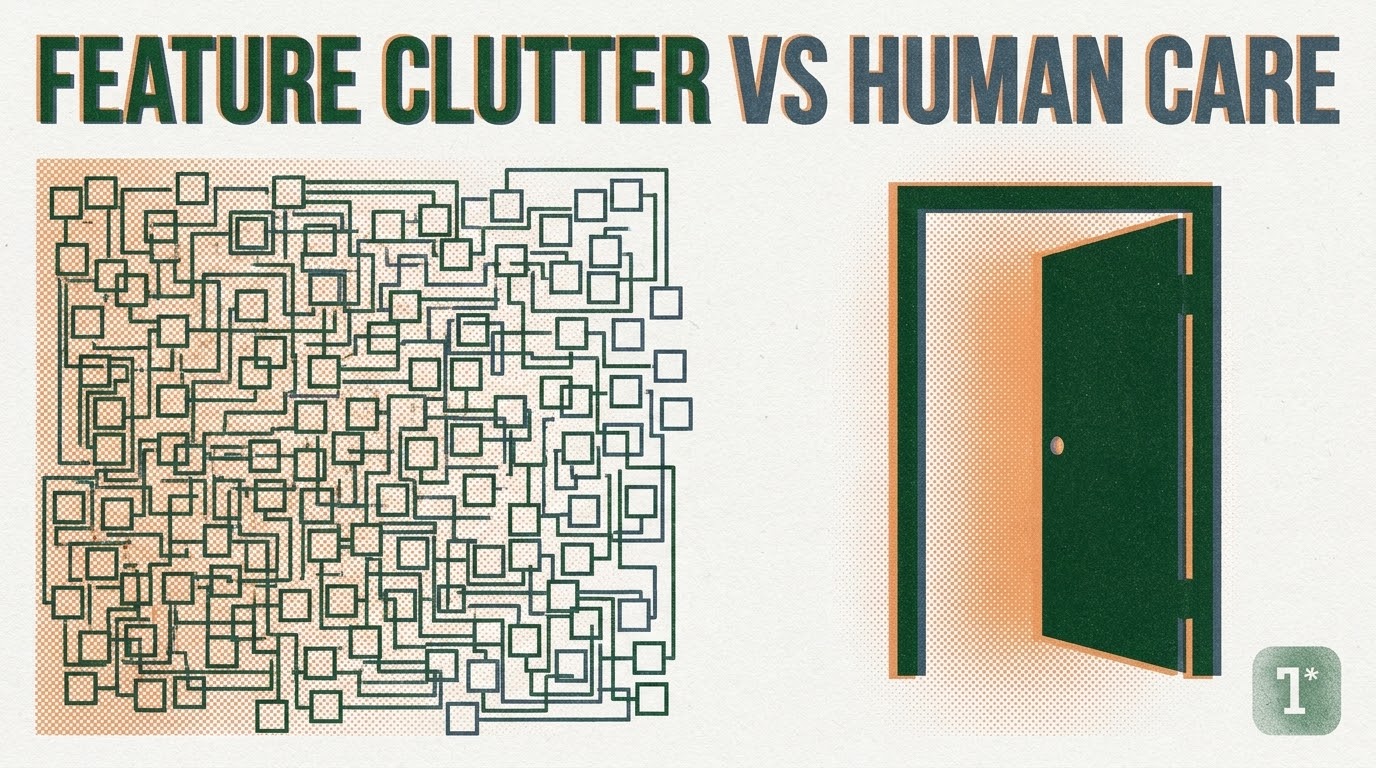
Most legacy tools used by social service agencies are extractive. They are designed to pull data out of frontline workers to satisfy funder reports, rather than pushing support back to the worker to help them do their jobs.
When a caseworker spend over 40% of their week fighting an unintuitive interface, they aren't just doing "admin." They are experiencing:
The statistics in the non-profit sector are staggering. Studies consistently show that nearly 50% of non-profit employees feel "used up" at the end of the workday.
For an Executive Director, this translates into a devastating bottom line:
When staff are burnt out, data integrity suffers. Exhausted workers are more likely to make errors, skip nuanced case notes, or "ghost" data entries just to get through the day. This creates a dangerous feedback loop: poor data leads to poor funder reports, which leads to less funding, which leads to even more pressure on the frontline.
At Transform, we believe technology should be a capacity multiplier, not an obstacle. We’ve seen firsthand how "heavy admin" erodes the soul of an agency. Our mission is to move from extractive tools to supportive technology.
By automating reporting, streamlining intake, and creating a "human-centered" interface, we help agencies:
Staff retention isn’t just about culture—it’s about the environment you ask your team to work in every day. If your software is creating a "heavy admin" burden, it is actively working against your mission.
It’s time to stop the silent cost of burnout. It’s time to give your frontline workers a system built for humans.
Schedule your free demo today and experience the Transform difference.