.png)
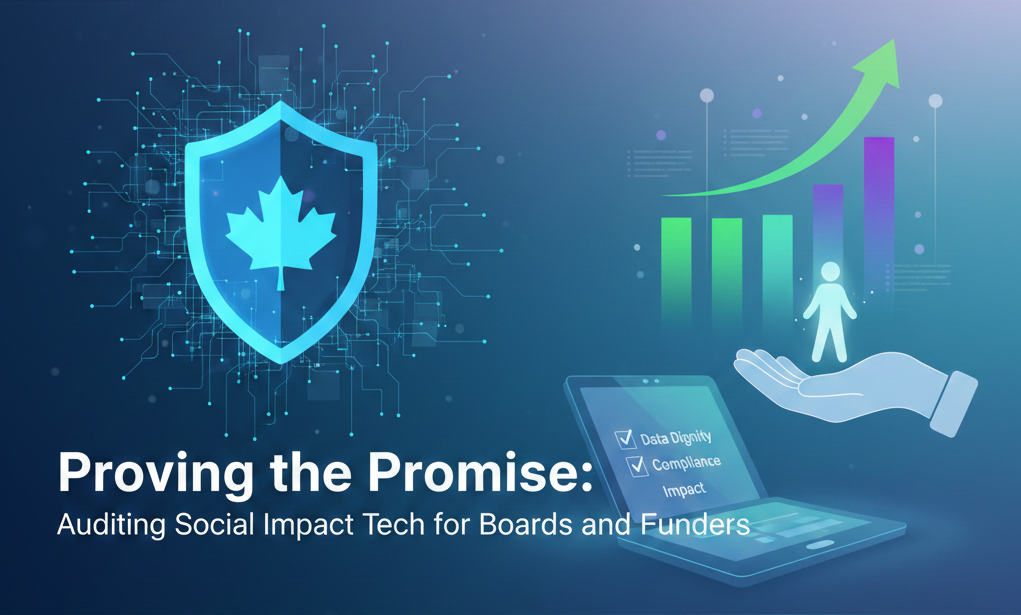
We often hear about the "overhead" of social work, but there is a quieter, more damaging cost that rarely makes the balance sheet. It is the cost of administrative retraumatization. This happens when a client has to tell their most painful stories three different times because the agency's systems do not talk to one another. It happens when a caseworker spends their Sunday night fighting with a spreadsheet instead of resting for the week ahead.
For Executive Directors and Boards, choosing the right technology is not just about digital storage. It is about honoring a sacred trust. When we collect data from vulnerable people, we are responsible for their dignity. Here is how to audit your technology to ensure it serves your mission rather than draining your staff.
Board members carry the legal weight of risk. In Canada, moving sensitive health or identity data into a standard spreadsheet or a non-compliant database is a significant liability. Compliance with PHIPA in Ontario or PIPA in Alberta and British Columbia is not a checkbox. It is a promise to the families you serve that their stories are safe.
At Transform, we view compliance as a shield. Impact metrics are more than just numbers; they are records of human struggle and triumph. If your system cannot prove it is "audit-proof," you are not just risking a fine. You are risking the trust of your community.
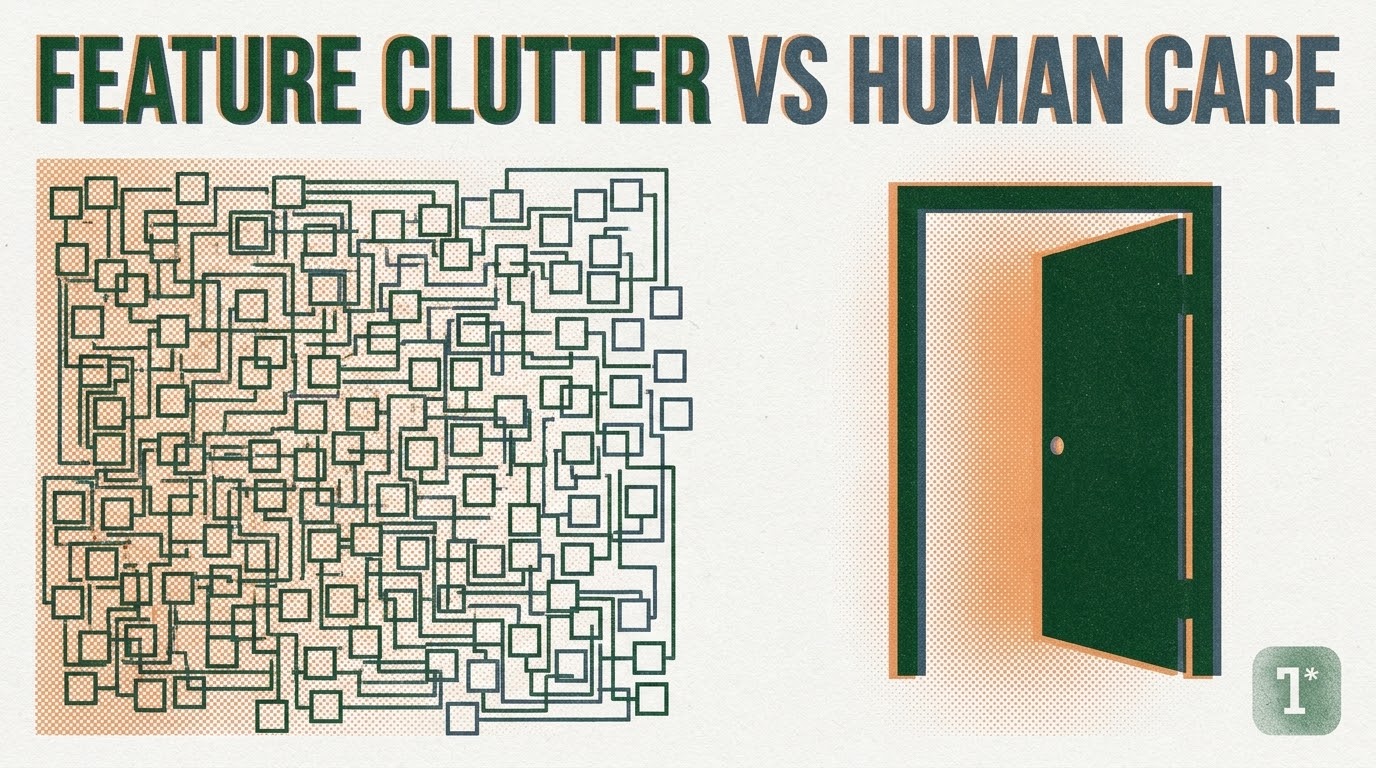
There is a direct link between user experience and data quality. If a system requires fifteen clicks to document a simple crisis intervention, the data becomes garbage. Caseworkers in the middle of a crisis do not have time for complex navigation. When the software is a barrier, data entry becomes a tax on their passion.
Legacy databases were built for data scientists, but modern social service tools must be built for the person in the room with the client. A one-click workflow ensures that high-quality data is captured at the source. This leads to high-fidelity reports for your Board and funders, proving your impact without burning out your team.
Many SaaS companies operate on a "handshake and a login" model. They take your payment, send a PDF manual, and disappear. This is how "shelf-ware" is born, software that sits unused because the team was never properly shown how it fits into their day-to-day life.
Implementation should be a partnership that respects your fiscal year and reporting cycles. A structured onboarding roadmap ensures that the transition does not add more stress to an already busy season.
Most generic tools assume you already know exactly how to measure your impact. But social services are complex. A "self-serve" template cannot identify "Impact Gaps" or align your metrics with specific funder mandates.
This is where the human element of technology matters most. Moving from a generic CRM to a consulting-led partner means your metrics are built with you, not just for you. It means having an outsourced data partner who understands that tracking a journey is more important than tracking a transaction.
When you present your case to a funder, they are looking for risk mitigation and efficiency. Be ready to answer these three questions:
By auditing your tech through this framework, you move beyond simple data collection. You begin to use technology as a tool for dignity, protection, and proven impact.
Schedule your free demo today and experience the Transform difference.